If your Facebook strategy still looks like it did two years ago — posting a photo with a caption and hoping someone sees it — you're playing a game that no longer exists. Facebook in 2026 is a fundamentally different platform than it was even in 2024, and most small businesses haven't caught up.
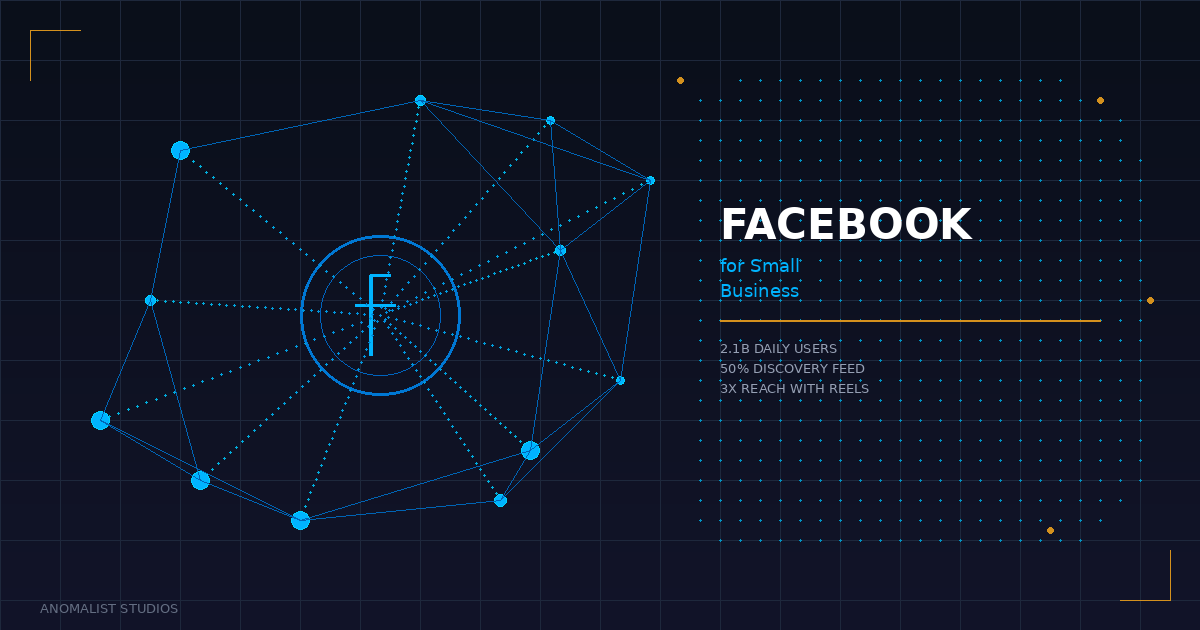
Here's the uncomfortable truth: up to 50% of what people see in their Facebook feed now comes from accounts they don't follow. Meta's recommendation engine has gone full-throttle. That's a massive shift — and it's either the best news or the worst news for your business, depending on whether you adapt.
The Algorithm Isn't What You Think It Is
Facebook's core feed ranking algorithm went through roughly 247 discrete updates in 2025 alone. That's nearly five changes per week. If you're still operating on advice from a 2023 blog post, you're working with outdated maps.
Here's what matters now:
- Meaningful interactions still reign. Comments, shares, and saves are weighted far more heavily than likes. A post that gets 10 thoughtful comments will outperform one with 100 likes every time.
- Discovery is king. Meta's UTIS model (User True Interest Survey) now directly surveys users to improve recommendations. The algorithm doesn't just track what you click — it asks what you actually wanted to see.
- Content authenticity matters. Meta's Content Authenticity Engine scans over 900 million posts per day for recycled and low-effort content. Reposting someone else's viral video won't work anymore — the system catches it and suppresses it.
The single biggest shift: Facebook is no longer just a social network. It's a discovery engine. Your content can now reach people who've never heard of you — if it's good enough.
What Content Types Actually Get Reach
Not all posts are created equal. Here's the hierarchy of what Facebook's algorithm favors right now, ranked by organic reach potential:
- Reels and short-form video — This is where Facebook is pushing hardest. Reels get 2-3x the reach of static posts. Keep them under 60 seconds. Vertical format (9:16). Hook in the first 3 seconds or you're done.
- Photo posts with stories — Not stock photos. Real photos of your business, your team, your customers (with permission). Pair them with a personal narrative, not a sales pitch.
- Carousel posts — Multiple images in a swipeable format. Great for before/after, step-by-step tips, or showcasing products. Each swipe counts as engagement.
- Text-only posts — Surprisingly effective when they tell a genuine story or ask a real question. No links, no images — just words. The algorithm sees these as "authentic."
- Link posts — Dead last. Facebook still penalizes posts that drive people off-platform. If you must share a link, put it in the first comment instead of the post itself.
Posting Frequency: The Sweet Spot
The old advice was "post once a day." That's not wrong, but it's incomplete.
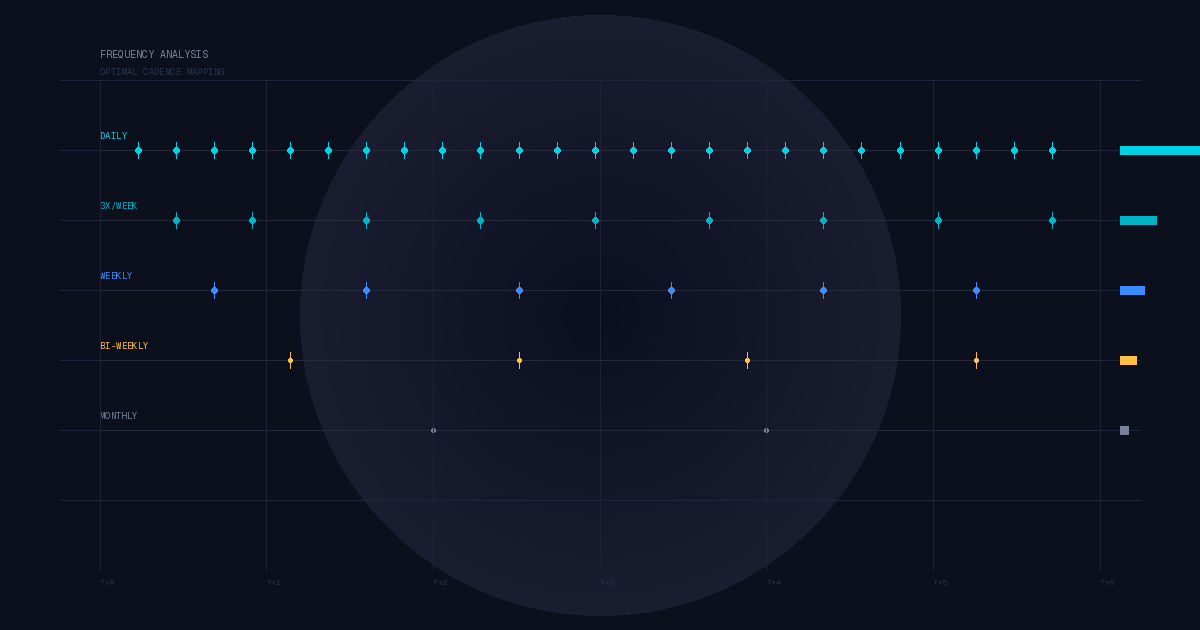
For small businesses, the sweet spot is 4-7 posts per week. That's enough to stay in the algorithm's good graces without burning out your audience. Here's the key insight most people miss: consistency matters more than volume. Posting every day for two weeks and then going silent for a month is worse than posting three times a week, every week, forever.
Best Times to Post
For local businesses, the data consistently shows that Tuesday through Thursday between 9 AM and 12 PM drives the most engagement. But here's what the data doesn't tell you: your audience might be different. Check your Facebook Insights. If your customers are restaurant-goers, they're scrolling at 8 PM. If they're business owners, they're on at 6 AM. Use the data, but test your own optimal windows.
Writing Posts That People Actually Engage With
The first two lines of your post are everything. That's what shows before the "See more" button. If those two lines don't create curiosity, urgency, or emotion, nothing else matters.
Hook formulas that work right now:
- "I almost didn't share this, but..." (vulnerability)
- "Stop doing [common thing]. Here's why:" (contrarian)
- "We just hit [milestone] and here's what nobody tells you about it:" (behind-the-scenes)
- "The biggest mistake I see [your industry] businesses make:" (authority)
- A question your customers actually ask you in person (relatability)
Then deliver. Don't bait and switch. If you promise an insight, give the insight. Facebook's algorithm can detect engagement bait — the kind of post that says "Comment YES if you agree!" — and it will suppress your reach.
Facebook Reels: The Biggest Opportunity Right Now
If you're not making Reels, you're leaving the biggest organic reach opportunity on the table. Facebook is aggressively pushing short-form video to compete with TikTok and Instagram Reels, and that means the algorithm is literally giving Reels extra distribution right now.
You don't need fancy equipment. A smartphone and decent lighting is enough. Here's what works:
- Behind-the-scenes content. Show your shop, your process, your team. People are nosy — let them look.
- Quick tips in your expertise. An insurance agent explaining one coverage mistake in 30 seconds. A trainer showing one exercise form correction. A restaurant chef showing one knife technique.
- Before and after. Home services, fitness, beauty — anything with a visual transformation.
- Customer reactions and testimonials. Real, unscripted, imperfect. That's what builds trust.
The ideal Reel length for small businesses is 15-30 seconds. Long enough to deliver value, short enough to hold attention. Use text overlays — most people watch without sound.
What NOT to Do
These will actively kill your reach:
- Engagement bait. "Share this post!" or "Tag someone who needs to see this." Facebook's classifier catches this and tanks your distribution.
- Only posting promotions. If every post is "Buy our thing," the algorithm learns your content isn't interesting. Follow the 80/20 rule: 80% value, 20% promotion.
- Sharing links in every post. Facebook wants people to stay on Facebook. Every external link is a signal to suppress.
- Posting and ghosting. If someone comments and you don't respond within an hour, you've lost the algorithmic boost that early engagement provides. The first 60 minutes after posting are critical — that's when Facebook decides whether to show your post to more people.
- Recycling content from other platforms without adapting it. The Content Authenticity Engine flags cross-posted content. If your Reel has a TikTok watermark, it's getting buried.
The Bottom Line
Facebook in 2026 rewards authenticity, consistency, and video. The discovery feed means your content can reach entirely new audiences — people who've never heard of your business but match the profile of your best customers. That's an extraordinary opportunity for local businesses willing to show up with real content.
Stop overthinking it. Post a Reel of your team this week. Write a post about something a customer asked you yesterday. Share a lesson you learned running your business. The algorithm will do the rest — if you give it something worth distributing.
And if you don't have time to create 5-7 posts a week? That's exactly what Maximus was built for.